CROSS-DOCKING
Your Speed
Cross-Docking Services
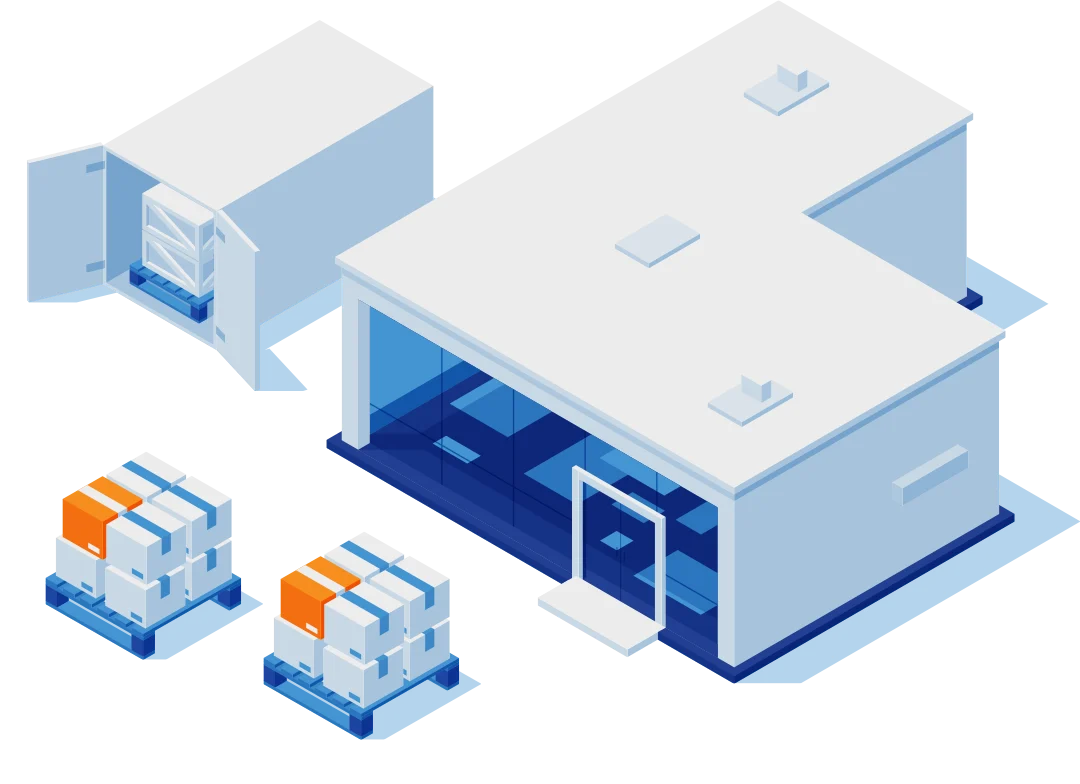
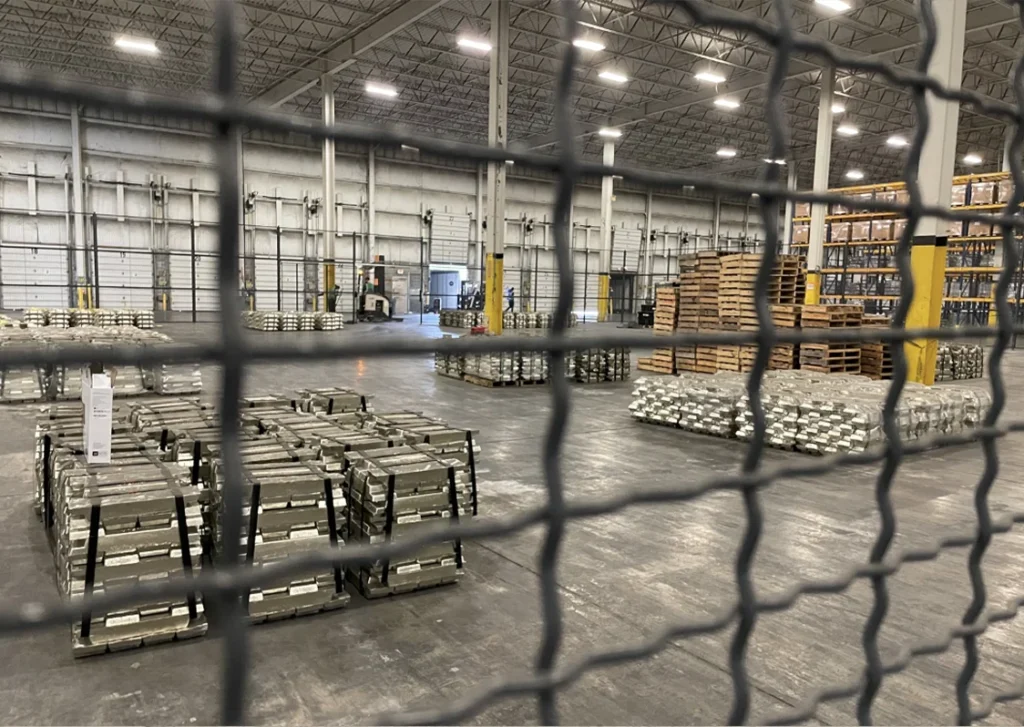
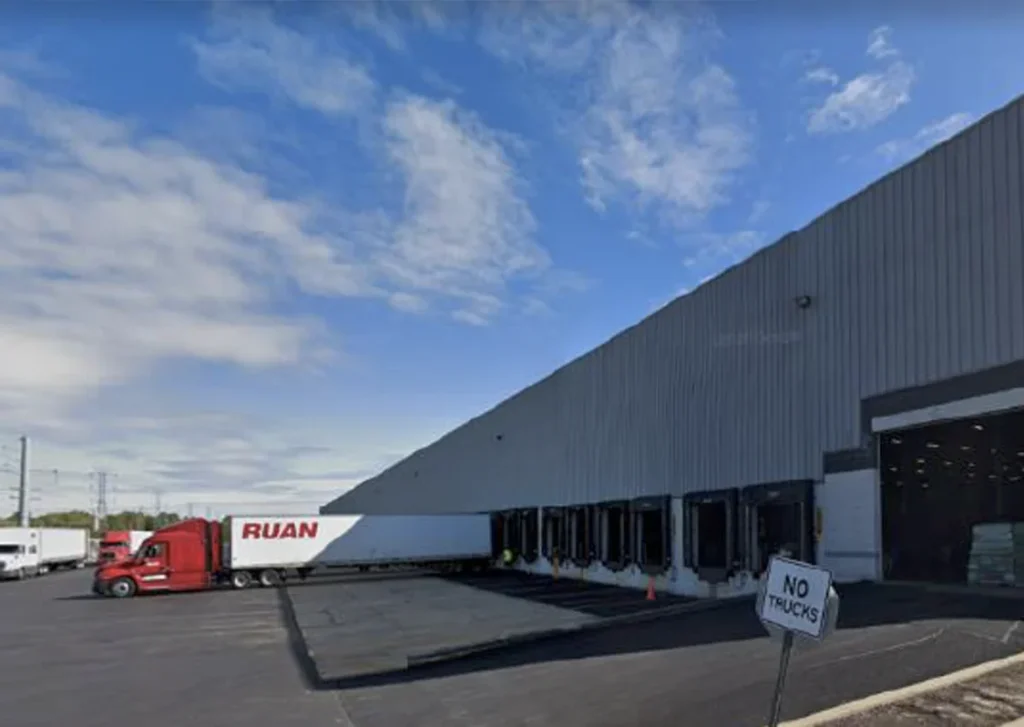
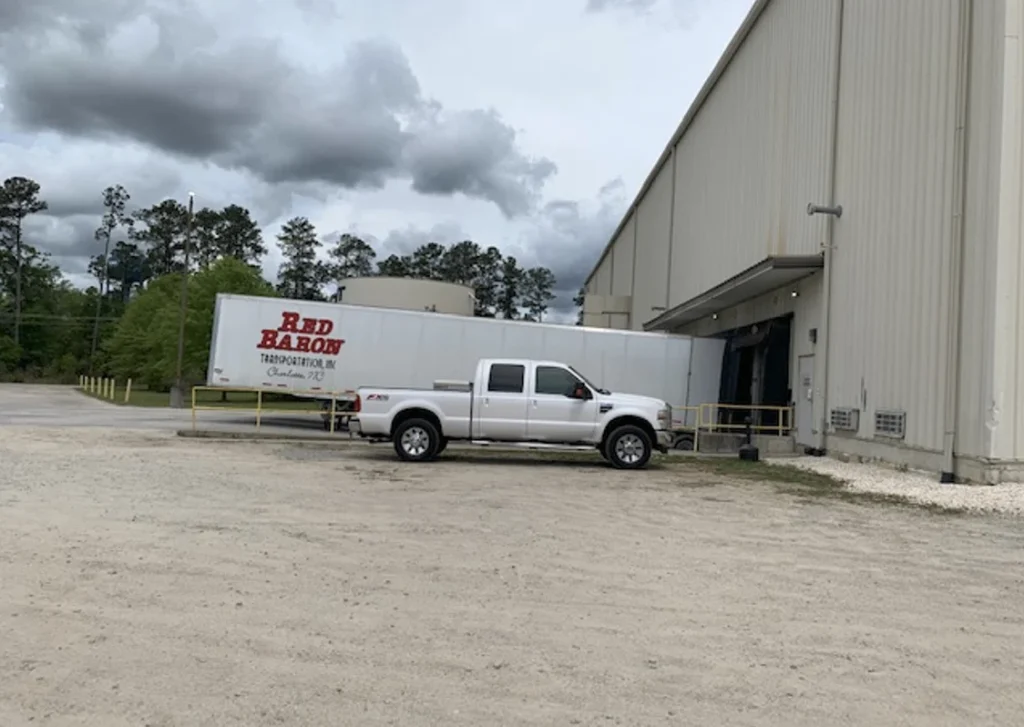
BWT’s Cross-Docking services move freight straight from the inbound door to the outbound door — received, scanned, sorted, and reloaded within the same shift, with no putaway, no rack location, and no long-term storage charge. Our dock teams handle live unloads and drop trailers, ocean container transloading, pallet rebuilding and restacking, LTL and FTL consolidation, store-level sortation, retail-compliant labeling and ASN transmission, and same-day outbound dispatch — all with piece-level scan visibility from seal to seal.
- Live Unload & Reload
- Ocean Container Transloading
- Pallet Rebuild & Restacking
- Sorting & Segregation by Destination
- LTL & FTL Consolidation
- Retail-Compliant Labeling (GS1-128)
- EDI / ASN Transmission (856, 940, 945)
- Quality Checking & Damage Inspection
- Same-Day Outbound Dispatch
- Trailer Yard, Drop & Hook Staging
- Temperature-Sensitive Handling
- Real-Time Scan & Dwell Visibility
Cross-Docking — Frequently Asked Questions
BWT’s Cross-Docking programs deliver measurable financial and operational benefits such as: eliminating storage rent and putaway labor, shortening the cash conversion cycle by turning inventory in hours instead of weeks, reducing handling touches and the damage claims that come with them, consolidating multiple small inbound shipments into full outbound truckloads, protecting shelf life on dated and temperature- sensitive product, and adding capacity in a new market without signing a warehouse lease. The questions below cover how we run it.
1. WHAT IS CROSS-DOCKING?
Cross-docking is the practice of moving freight directly from an inbound trailer to an outbound trailer without placing it into storage. At BWT, inbound product is checked in at the gate, matched against your ASN or purchase order, unloaded to the dock floor, scanned and sorted by destination, rebuilt and labeled as required, then loaded and sealed for outbound — typically inside a single shift. The product never receives a rack location, is never picked, and never accrues a storage charge. Fewer touches, fewer days, and a shorter path between your supplier and your customer.
2. HOW IS CROSS-DOCKING DIFFERENT FROM WAREHOUSING?
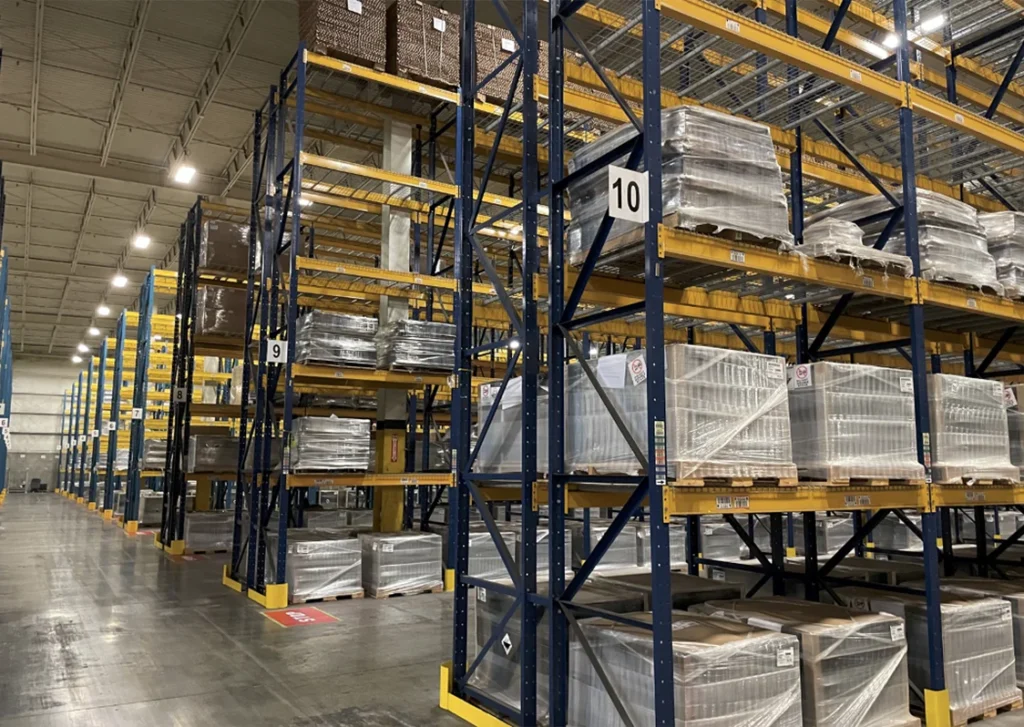
Warehousing is designed to hold inventory: product is put away into a location, stored, cycle counted, then picked when an order calls for it — usually five to seven handling touches over a period of weeks. Cross-docking removes the two most expensive of those touches, putaway and picking, and compresses the time in facility from weeks to hours.
Warehousing is the right answer for slow-moving safety stock and unallocated inventory. Cross-docking is the right answer for fast-moving, pre-allocated product where you already know the destination before the trailer arrives. Many BWT customers use both — cross-docking the velocity SKUs and warehousing the reserve.
3. WHAT TYPES OF FREIGHT DOES BWT CROSS-DOCK?
Palletized, floor-loaded, and slip-sheeted freight across food and beverage, retail replenishment, consumer packaged goods, e-commerce and 3PL flow-through, building materials, automotive parts, and general dry commodities. We also handle promotional and display builds, mixed-SKU store sortation, and temperature-sensitive product where refrigerated dock space is available.
Freight that is unallocated at arrival, requires long-term hold, or is regulated in a way that demands a bonded or secured storage location is better routed to our warehousing programs — tell us the commodity and we will point you to the right one.
4. HOW FAST IS DOCK-TO-DOCK TURNAROUND?
Most loads clear the building the same operating day. A straightforward pallet-in / pallet-out move is typically dispatched within six to twelve hours of check-in; loads requiring restacking, relabeling, multi-vendor consolidation, or a scheduled delivery appointment generally clear within twenty-four hours.
Turn time depends on three things: how early the ASN reaches us, whether the outbound carrier is already tendered, and whether the freight arrives sorted or mixed. Send the ASN ahead of the truck and we can have the door assigned and the outbound trailer spotted before your driver reaches the gate.
5. DO YOU HANDLE OCEAN CONTAINER TRANSLOADING?
Yes. We strip 20′ and 40′ ocean containers and reload the freight into 53′ domestic trailers, recovering the trailer cube that is otherwise lost when international equipment moves inland. Floor- loaded containers can be palletized, shrink-wrapped, and labeled during the transload so the product arrives at your DC in a receivable configuration.
We coordinate drayage from the port or ramp, manage the per-diem and detention clock so equipment is returned inside the free window, and document the container and seal condition with photographs before the doors are opened.
6. CAN YOU MEET RETAIL ROUTING GUIDE REQUIREMENTS?
Yes. We build to the routing guide, not to a generic standard. That includes GS1-128 pallet and carton labeling, UCC-128 SSCC assignment, store-number sortation, pallet height and overhang compliance, carrier routing and appointment scheduling, and EDI 856 advance ship notice transmission timed to the retailer’s window.
Our quality checkers verify label placement, pallet configuration, and count before the trailer is sealed, which is where most OTIF and compliance chargebacks originate. Send us your vendor compliance manual during onboarding and we will map each requirement to a dock procedure.
7. HOW IS CROSS-DOCKING PRICED?
Cross-docking is priced per pallet or per hundredweight handled, with accessorials quoted separately for the value-added work you actually use — restacking, relabeling, sortation, shrink wrap, and photo documentation. Outbound linehaul is quoted on its own if you would like BWT to move the freight as well as handle it.
There is no storage charge on freight that clears within the agreed free period, no monthly minimum, and no lease commitment. Rates are quoted per lane once we know the origin, destination, commodity, monthly volume, and the handling steps required.
8. WHAT VISIBILITY DO I GET WHILE FREIGHT IS ON THE DOCK?
Every pallet is scanned at receipt, at sortation, and at load, and each of those events is timestamped against the door and the PRO or container number. You can see inbound check-in, current dwell time, sortation status, outbound trailer and seal number, and proof of delivery.
Events are delivered the way your systems consume them — EDI, a REST API, webhooks, a scheduled flat-file drop, or the BWT customer portal. Exceptions such as overages, shortages, and damage are reported with photographs the same shift they are found, not on a next-day report.
9. HOW QUICKLY CAN BWT START CROSS-DOCKING MY FREIGHT?
A single spot load can be handled within forty-eight hours of a signed rate confirmation. An ongoing program that includes EDI integration, labeling specifications, a routing guide, and agreed standard operating procedures typically reaches steady state in two to three weeks, and we run parallel through the first week so nothing depends on the cut-over.
+1 (404) 344-1121
Customized Logistics Solutions for Your Business.
Whether you need warehousing, fulfillment, freight brokerage, transportation, or end-to-end supply chain support, BWT Logistics is here to help. Complete the form below, and one of our logistics specialists will contact you with a tailored solution and competitive pricing.
We take the time to understand your operational needs, distribution requirements, and growth goals to provide a logistics strategy that delivers efficiency, reliability, and value.
Request your personalized quote today and discover how BWT Logistics can help streamline your supply chain.
Grow.
Compete.
Thrive.
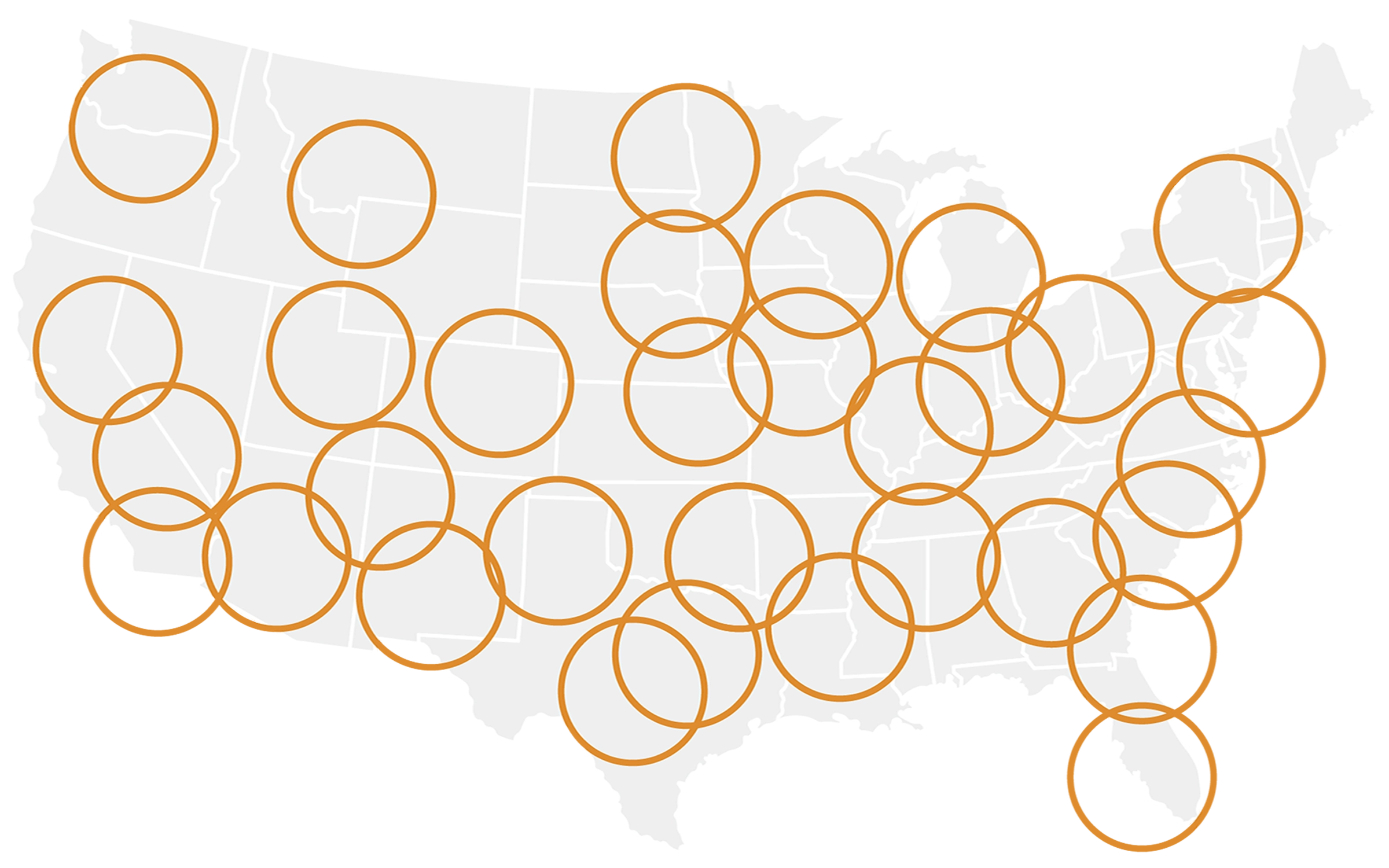
With cross-docking that keeps your freight moving nationwide.
No matter where your freight starts or where it’s headed, BWT keeps it moving — dock to dock, in hours instead of weeks. We want to be the partner that takes storage cost out of your supply chain for decades to come.