TRANSLOADING
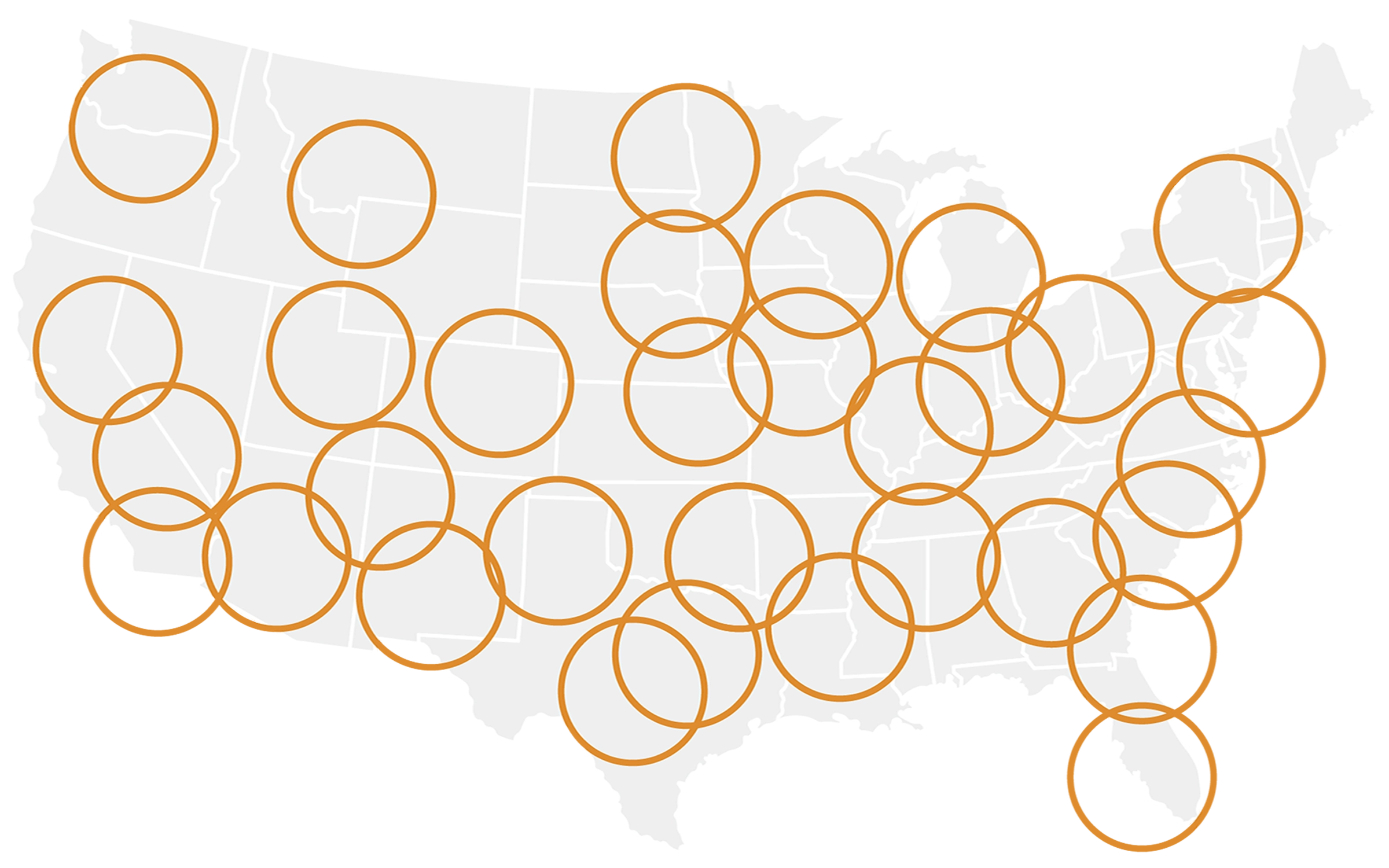
Your Reach
Transloading Services
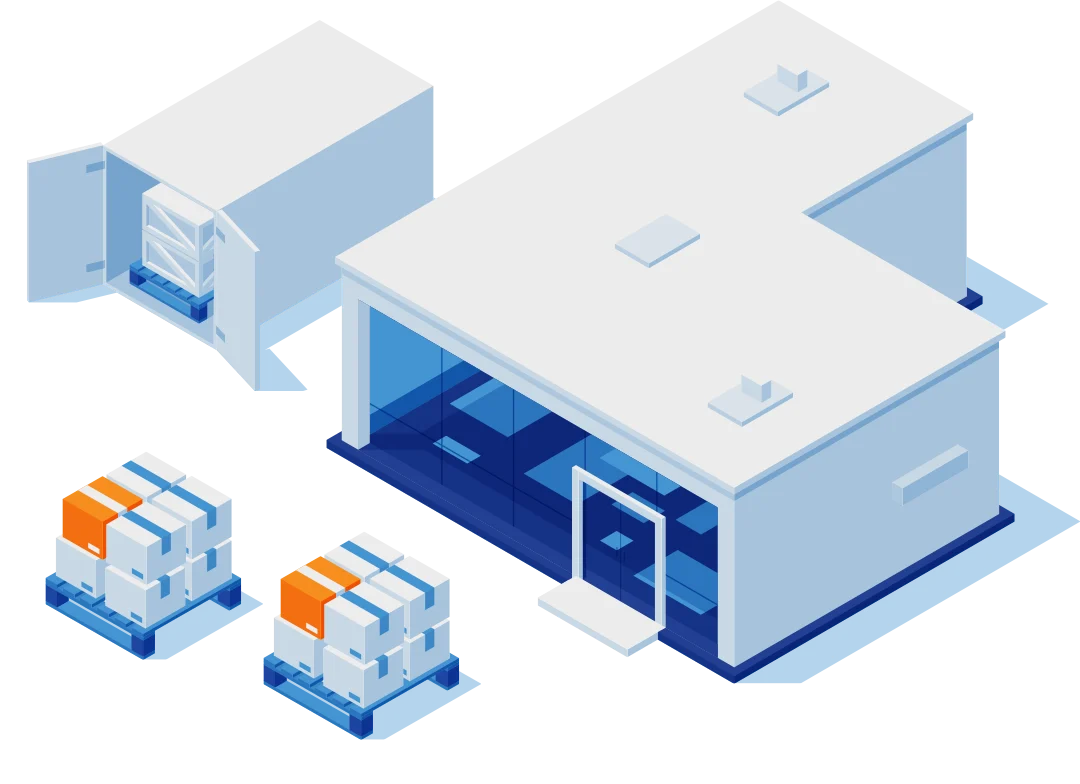
BWT’s Transloading services move international freight out of ocean containers and rail equipment and into domestic trailers, close to the port or ramp where it lands. We strip the box, recover the trailer cube that ocean equipment wastes on the road, palletize and label floor-loaded cargo so it arrives receivable, and get the container and chassis back inside the free window before per-diem starts. Your freight leaves our dock on 53′ domestic equipment, headed inland at domestic economics, without the container ever having to make the long haul.
- Ocean Container Devanning & Stripping
- 20′, 40′ & 40′ HC to 53′ Transloading
- Rail Ramp Transloading
- Floor-Loaded to Palletized Conversion
- Port & Ramp Drayage Coordination
- Per-Diem & Detention Management
- Chassis & Empty Container Return
- Container & Seal Photo Documentation
- Palletizing, Shrink Wrap & Labeling
- Cargo Inspection & Damage Reporting
- Outbound FTL & LTL Dispatch
- Real-Time Scan & Milestone Visibility
Transloading — Frequently Asked Questions
BWT’s Transloading programs deliver measurable financial and operational benefits such as: recovering the cube that ocean containers waste on domestic highways, cutting the number of inland moves you pay for, returning equipment before per-diem and detention accrue, converting floor-loaded cargo into a receivable pallet configuration before it reaches your DC, releasing freight from congested port areas without committing it to storage, and giving you one accountable partner from the terminal gate to the outbound seal. The questions below cover how we run it.
1. WHAT IS TRANSLOADING?
Transloading is the transfer of freight from one mode or type of equipment to another — most commonly out of a 20′, 40′ or 40′ high-cube ocean container, or a rail boxcar, and into a 53′ domestic trailer. It happens near the port or rail ramp, so the international equipment makes only a short local move and the long inland haul runs on domestic equipment.
At BWT the container is drayed to our facility, the seal condition is photographed before the doors are opened, the freight is stripped and counted against the packing list, palletized and labeled if it arrived floor-loaded, then reloaded and sealed for outbound. The empty container and chassis go back to the terminal, and your freight continues inland on equipment that costs less per mile and carries more per load.
2. HOW IS TRANSLOADING DIFFERENT FROM CROSS-DOCKING?
They share a dock and a philosophy — freight moves through rather than into storage — but they solve different problems. Cross-docking takes domestic freight that is already on domestic equipment and re-sorts it: consolidating multiple inbound shipments into full outbound truckloads, splitting a truckload to store level, building retail-compliant pallets. The equipment type does not change.
Transloading changes the equipment. The problem it solves is that international and rail equipment is the wrong shape for a domestic highway — a 40′ container carries substantially less cube than a 53′ trailer, and every day it sits inland is a day of per-diem on someone’s account. Transloading is what you do at the coast or the ramp; cross-docking is what you do in the middle of the network. Many BWT customers use both on the same freight — transload at the port, cross-dock at the inland hub.
3. HOW MUCH DOES TRANSLOADING ACTUALLY SAVE?
The saving comes from three places. The largest is cube: a 53′ domestic trailer holds considerably more volume than a 40′ ocean container, so cube-constrained freight that arrives in three containers will typically leave in two trailers. That is one fewer inland linehaul on every three containers you import.
The second is equipment cost. Container drayage inland is priced differently from domestic truckload, and moving the box long distances exposes you to per-diem, chassis rental, and the risk of the equipment being stuck at a receiver. The third is your consignee’s dock — palletized, labeled freight unloads in a fraction of the time floor-loaded cargo does, which shortens appointments and reduces detention on the delivery end. Send us your container profile and lane and we will model the actual numbers rather than quote you a percentage.
4. WHERE ARE BWT'S TRANSLOAD FACILITIES?
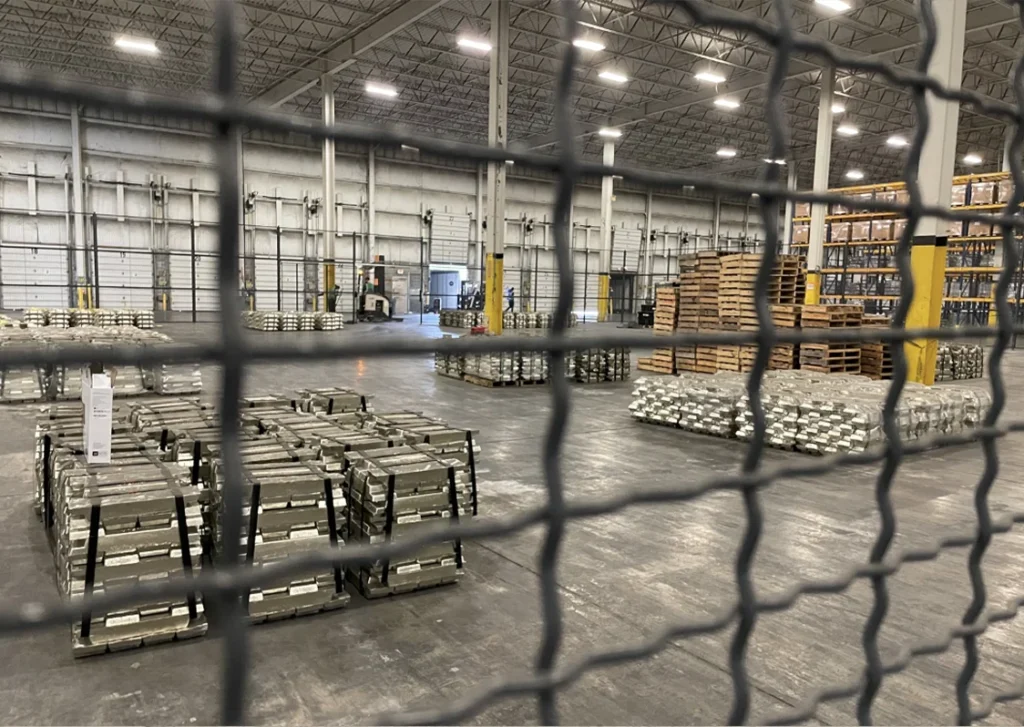
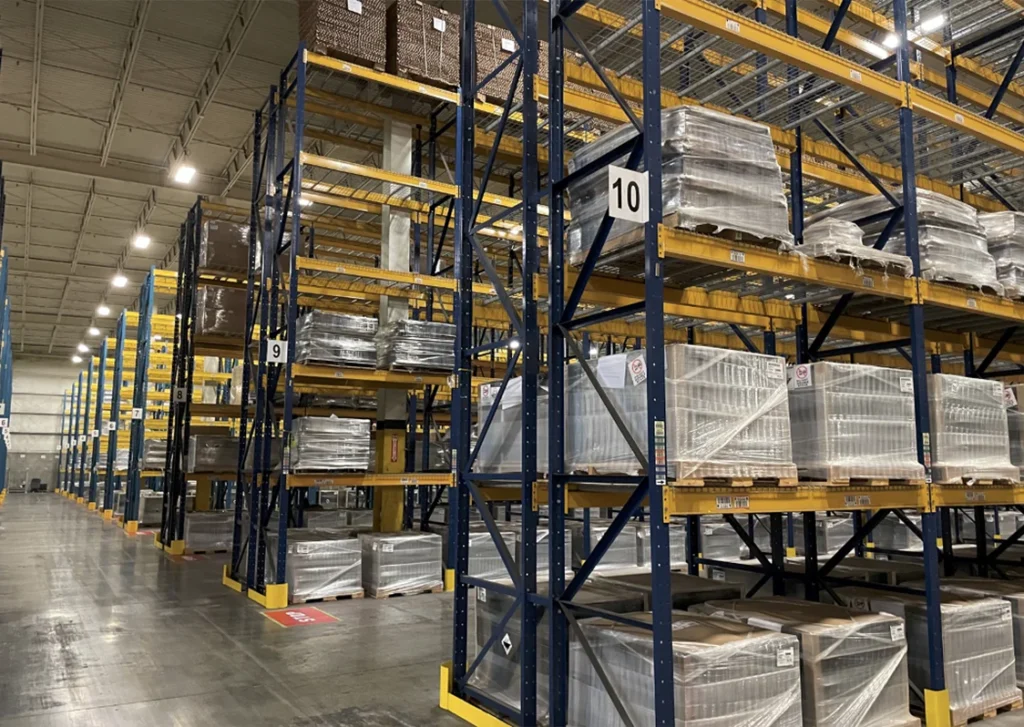
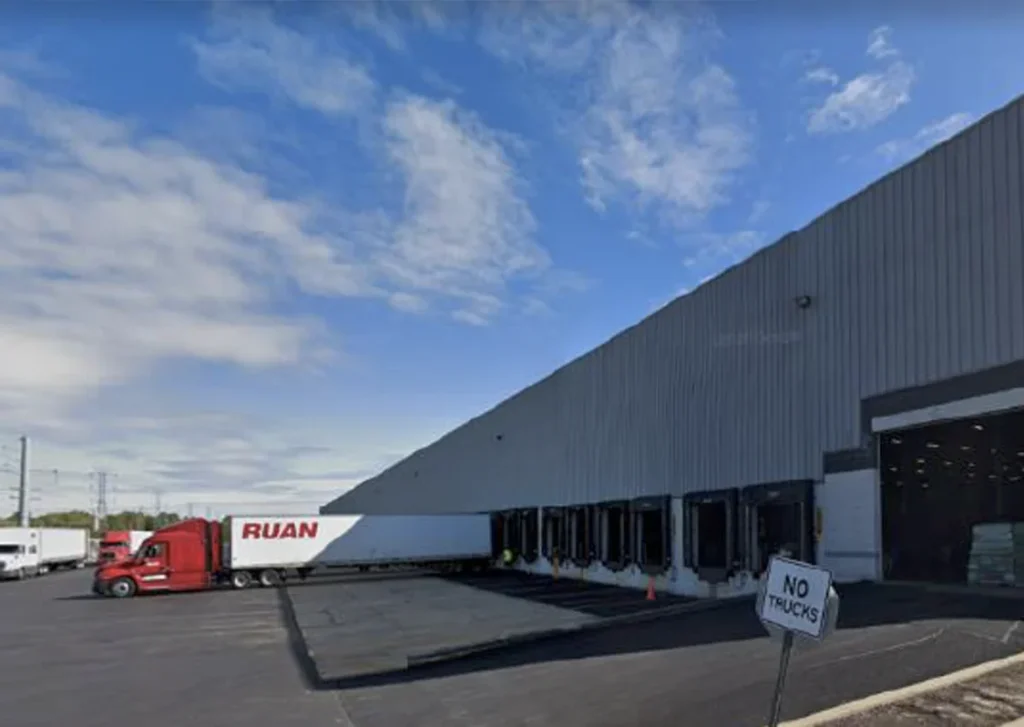
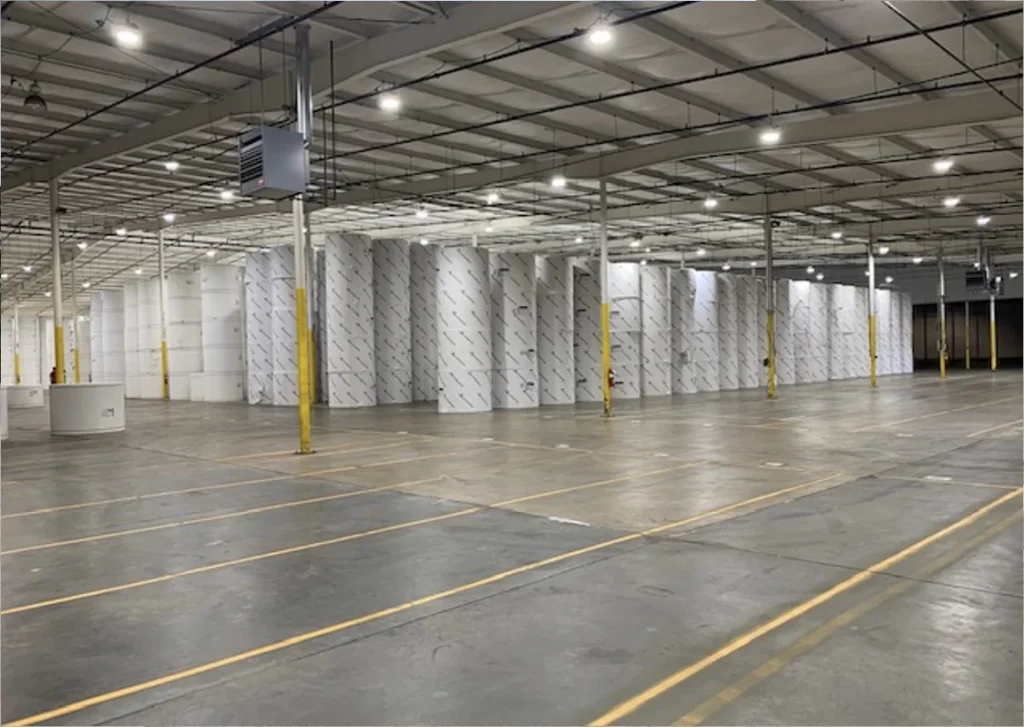
Our primary ocean transload operation is in Huntington Park, California — 240,000 square feet of climate-controlled space roughly seven miles from the Port of Long Beach, which keeps the drayage leg short and the equipment clock tight.
In the Southeast we transload in Atlanta, Georgia, where our 134,600 square foot facility has direct rail access and sits on the I-20 and I-285 interchange, making it a natural point to break rail equipment into domestic trailers for regional distribution. Our Charlotte-area facilities in Bessemer City and Kings Mountain, North Carolina handle inland transload and HazMat-certified work.
5. DO YOU COORDINATE DRAYAGE FROM THE PORT OR RAIL RAMP?
Yes. We arrange the pull from the terminal or ramp, monitor vessel and rail arrival, track last-free-day and appointment availability, and schedule the pickup so the box moves before storage and demurrage begin. If you already have a drayage provider you would rather keep, we will work to their schedule instead — we simply need the container numbers and the release status.
We coordinate with your customs broker on entry and release, and we will not open a container that has not cleared. If the box is flagged for exam, we hold the appointment and re-schedule the pull once it is released.
6. HOW DO YOU MANAGE PER-DIEM, DETENTION AND CHASSIS RETURNS?
We treat the equipment clock as its own deliverable. Free time is logged against each container when it is released, unload is scheduled to clear inside that window, and the empty is returned with the chassis to the terminal or the pool location the steamship line specifies. Return receipts are captured so there is proof if a line bills you after the fact.
Where a container cannot clear in time — an exam, a late release, a terminal appointment that does not exist — we tell you the same day rather than at invoice, so you can decide whether to accept the charge or push for an extension. Disputed per-diem is far easier to win with timestamped gate and unload records, and we keep them.
7. CAN YOU PALLETIZE FLOOR-LOADED CONTAINERS?
Yes, and for most importers this is where transloading pays for itself twice. Floor-loaded containers are hand-stripped, sorted by SKU or purchase order, built to your pallet specification, shrink-wrapped, and labeled — GS1-128 carton and pallet labels, SSCC assignment, store or DC numbers, and any retailer-specific placement your routing guide calls for.
We build to pallet height and overhang limits, count as we build so overages and shortages are found at our dock rather than your customer’s, and can transmit an EDI 856 advance ship notice against the rebuilt configuration. Freight that arrives at a DC on compliant pallets gets unloaded in an hour instead of a shift.
8. WHAT HAPPENS IF A CONTAINER ARRIVES DAMAGED OR SHORT?
The seal number and container condition are photographed before the doors are opened, which is the single most useful piece of evidence in any cargo claim. Damage found during the strip is photographed in place, quarantined, and reported the same shift with the container number, seal, and position in the load.
Counts are reconciled against your packing list as the container is stripped, so an overage or shortage is documented at the point it is discovered rather than inferred weeks later at the receiving DC. That documentation goes to you, your insurer, or your customs broker in whatever format the claim requires.
9. HOW FAST CAN BWT TURN A CONTAINER?
A palletized container is typically stripped and reloaded the same operating day it arrives. A floor-loaded container requiring hand-stripping, palletizing, and labeling generally clears within twenty-four to forty-eight hours depending on piece count and the labeling specification.
The variables are how early we receive the container numbers and packing list, whether customs release is in hand at the time of the pull, and whether the outbound carrier is already tendered. Send the documents ahead of the box and we can have the door assigned, the labor scheduled, and the outbound trailer spotted before the drayman reaches our gate.
+1 (404) 344-1121
Customized Logistics Solutions for Your Business.
Whether you need warehousing, fulfillment, freight brokerage, transportation, or end-to-end supply chain support, BWT Logistics is here to help. Complete the form below, and one of our logistics specialists will contact you with a tailored solution and competitive pricing.
We take the time to understand your operational needs, distribution requirements, and growth goals to provide a logistics strategy that delivers efficiency, reliability, and value.
Request your personalized quote today and discover how BWT Logistics can help streamline your supply chain.
Grow.
Compete.
Thrive.
With transloading that gets your containers off the clock.
Every day a container sits inland is a day of per-diem. BWT strips the box near the port, rebuilds your freight onto domestic equipment, and returns the empty before the free time runs out. We want to be the partner that keeps your import flow moving for decades to come.